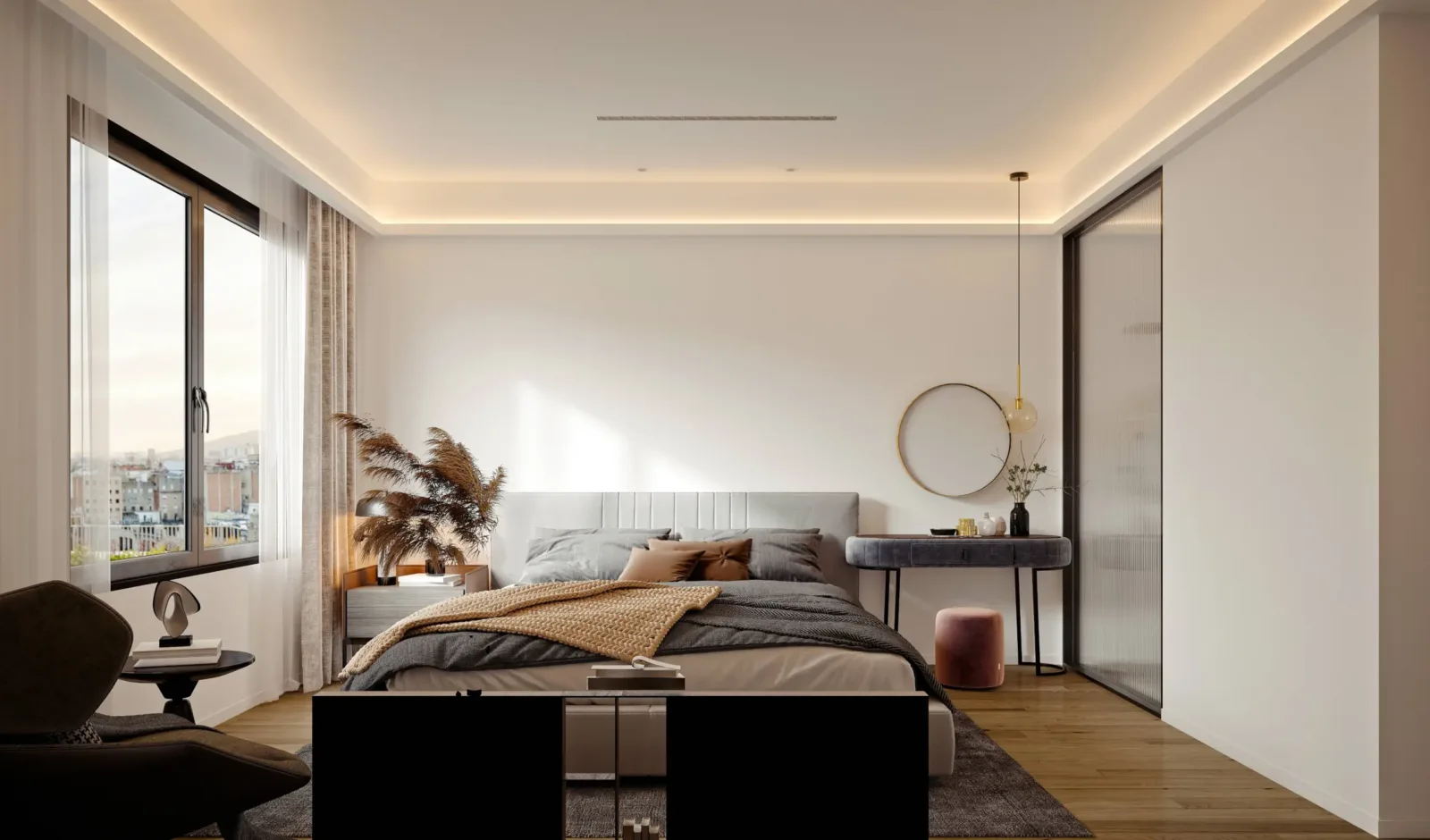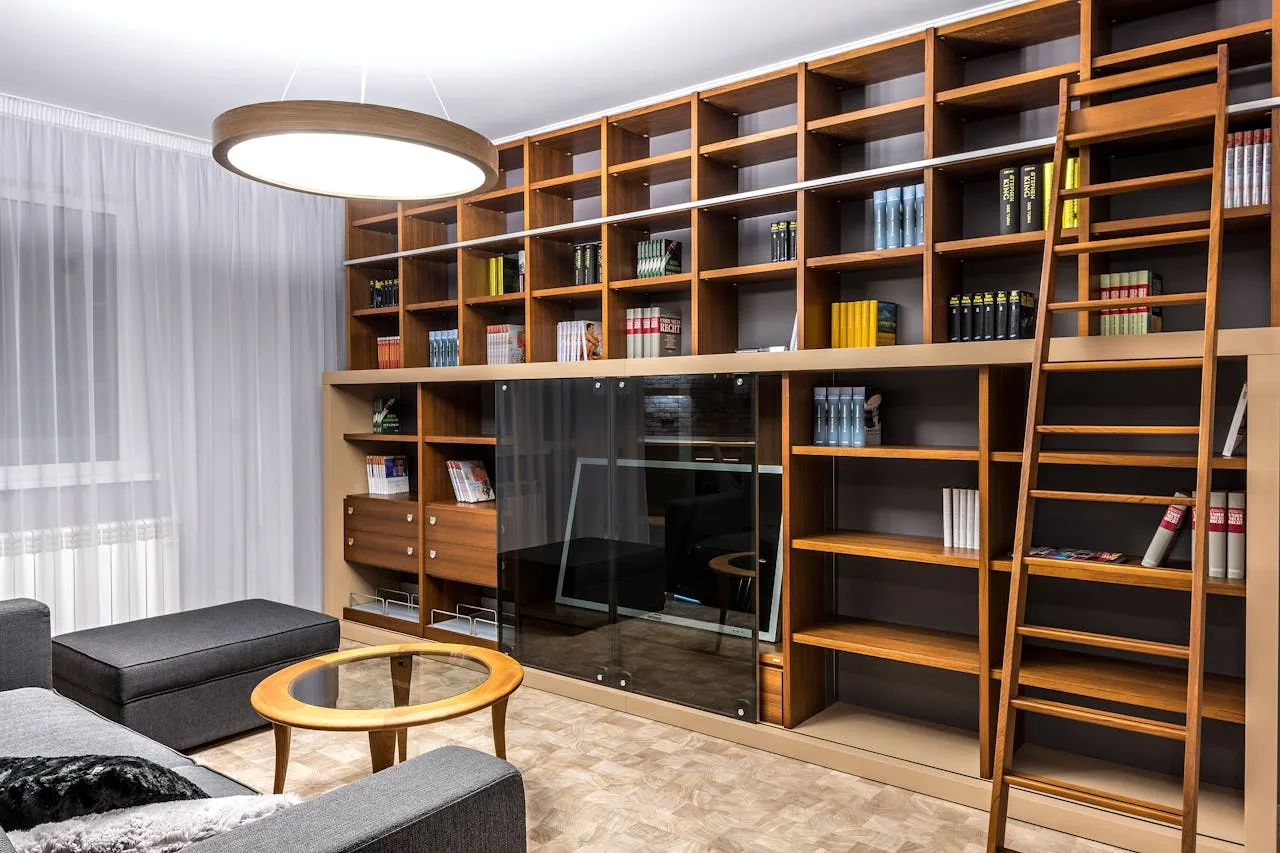
When it comes to designing your dream home, interior design isn’t just about aesthetics—it’s about creating a living space that reflects your personality, lifestyle, and values. From sleek modern minimalism to the warm textures of rustic design, each interior style tells a unique story. The question is: which one resonates most with you?
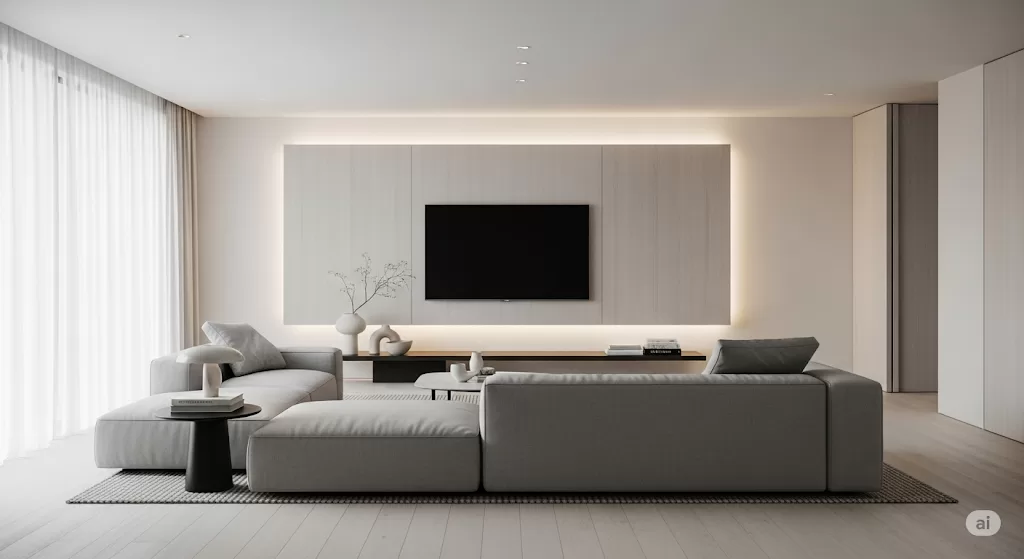
1. Modern Minimalism: Less is More
Minimalism focuses on simplicity, clean lines, and clutter-free spaces. This style is perfect if you love an organized, calming environment with neutral tones and functional furniture. Think open layouts, white walls, and subtle lighting like indirect cove lights that add depth without overwhelming the space.
Best for: Busy professionals, city apartments, and anyone who loves order and serenity.
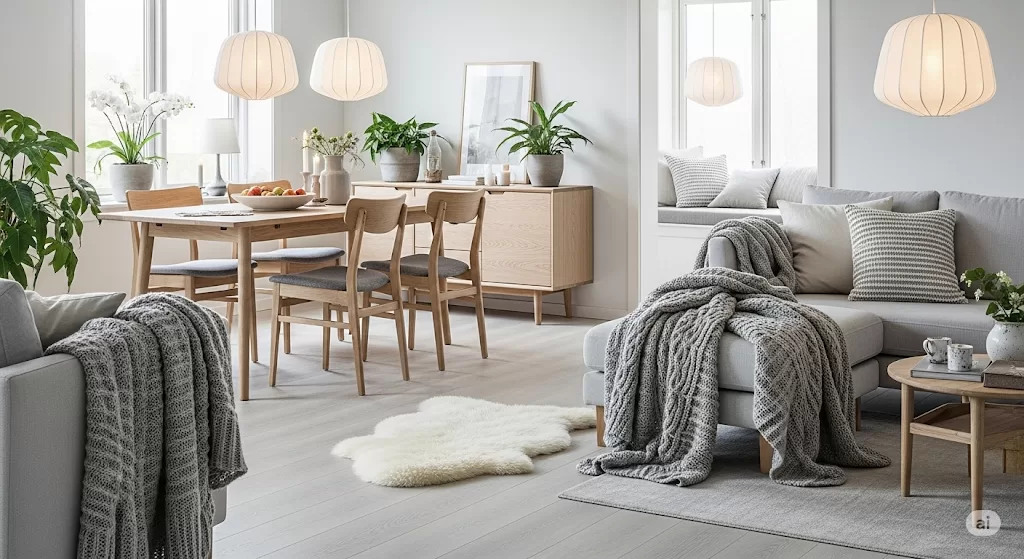
2. Scandinavian: Cozy Functionality
The Scandinavian design style blends minimalism with warmth, making spaces feel cozy yet efficient. Light wood, soft textiles, and a neutral palette dominate this style. Lighting is crucial—natural light during the day and warm ambient lighting at night to create hygge (comfort and coziness).
Best for: Families, small homes, and lovers of bright, airy interiors.
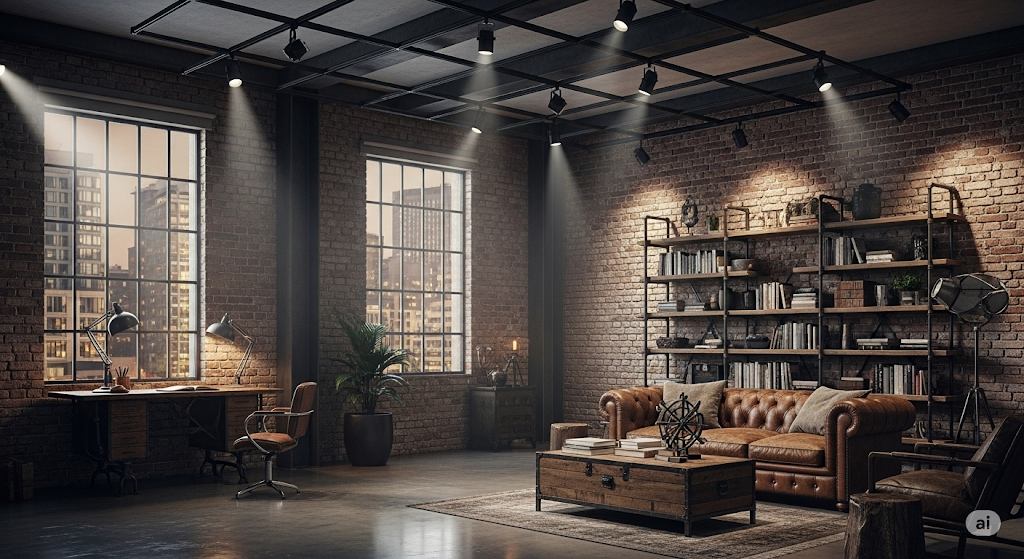
3. Industrial: Raw and Edgy
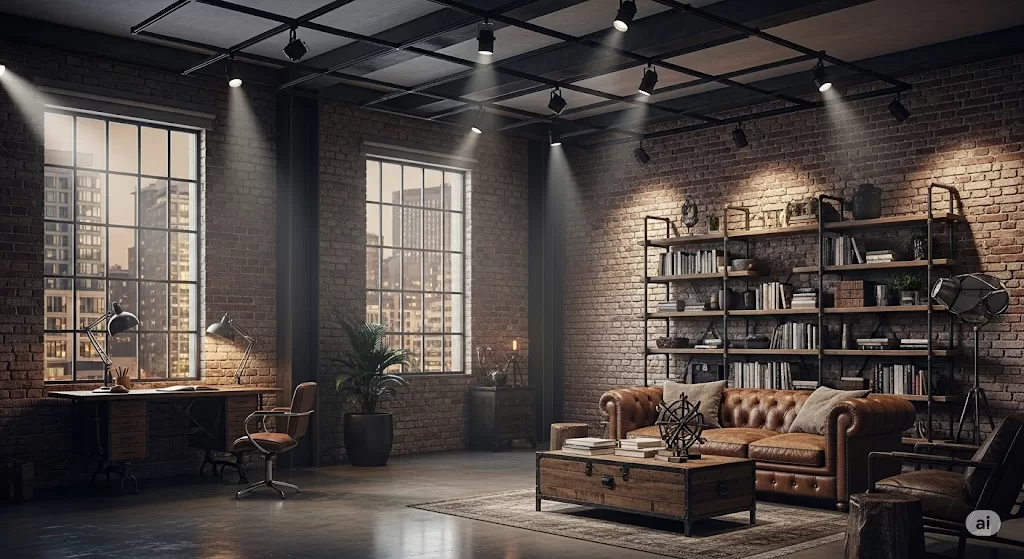
Inspired by warehouses and lofts, industrial design embraces raw materials like exposed brick, steel, and concrete. Lighting here often plays a bold role—think pendant lamps, track lights, and dramatic shadows that enhance the raw aesthetic.
Best for: Creative professionals, urban lofts, and those who love a rugged yet stylish vibe.
4. Japandi: Harmony of East and West
Japandi is the blend of Japanese minimalism and Scandinavian warmth. With natural wood, clean lines, and earthy tones, it emphasizes simplicity and balance. Cove lighting and layered lighting schemes work beautifully here, enhancing tranquility and functionality.
Best for: Homeowners who value mindfulness, balance, and timeless beauty.
5. Luxury Glam: Bold Sophistication
This style celebrates opulence with rich materials like marble, velvet, and gold accents. Statement lighting—like chandeliers or concealed LED profiles that highlight textures—becomes a centerpiece, elevating the atmosphere into something grand.
Best for: Larger homes, hospitality spaces, and anyone who loves making a dramatic statement.
Finding the Style That Speaks to You
Your ideal interior design style is ultimately a reflection of your lifestyle and personality. Do you crave simplicity, comfort, raw creativity, harmony, or boldness? The beauty of interior design is that you can mix and match elements to create a space that feels truly yours.
Tip: Start small by experimenting with lighting—it’s one of the easiest ways to set the tone of any design style.