When designing a home, most homeowners focus on furniture and aesthetics—but overlook one of the most important elements: lighting.
The color temperature of lighting—warm or cool—has a powerful impact on how a space feels, functions, and supports your wellbeing. Yet many homes still rely on a single, static lighting setup, which can do more harm than good.
What Is Warm vs Cool Lighting?
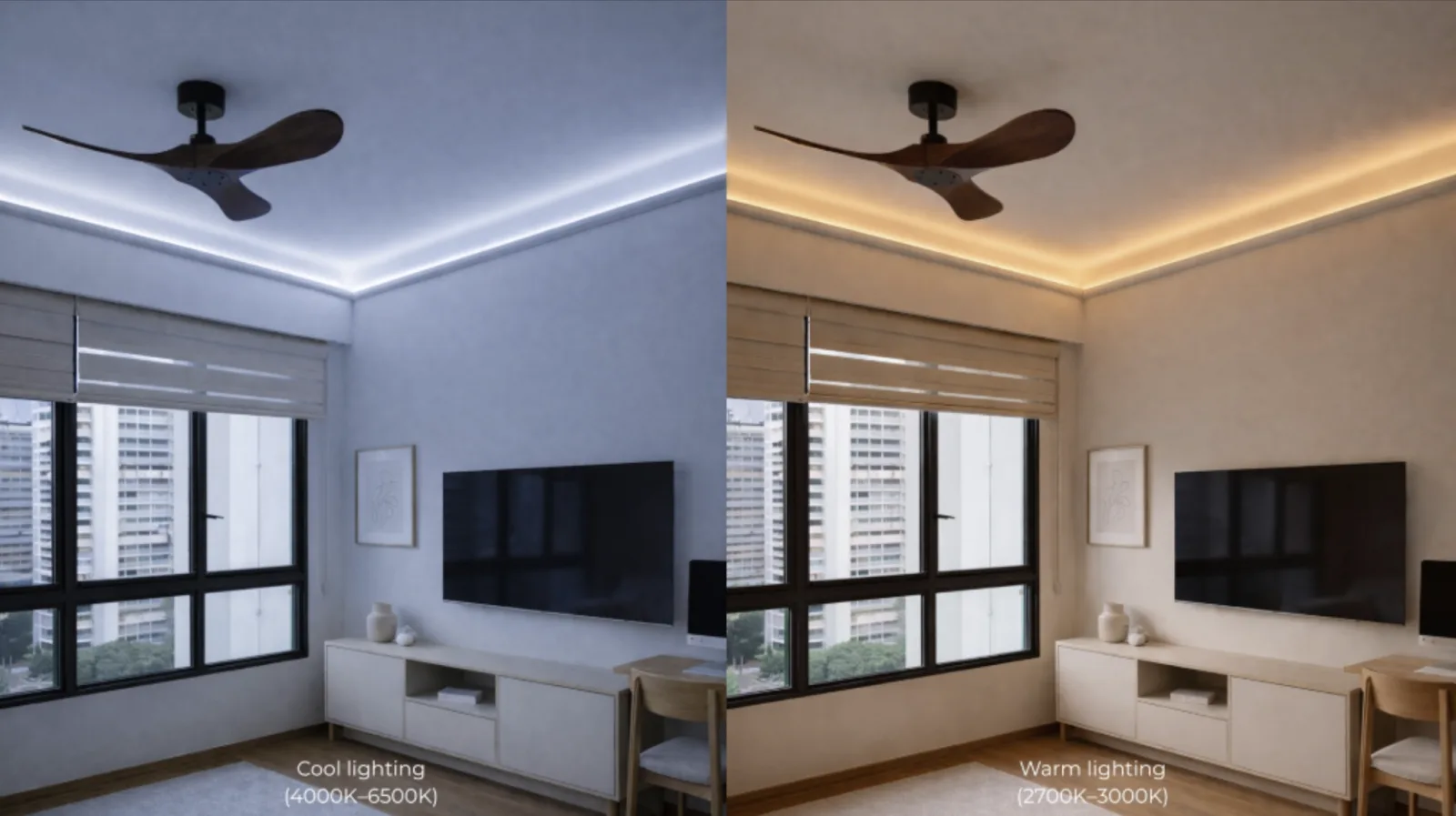
Lighting color temperature is measured in Kelvin (K):
- Warm lighting (2700K–3000K): Soft, golden tones that create a cozy, relaxing atmosphere
- Cool lighting (4000K–6500K): Crisp, bluish tones that promote alertness and focus
Both are useful—but problems arise when only one is used throughout the home.
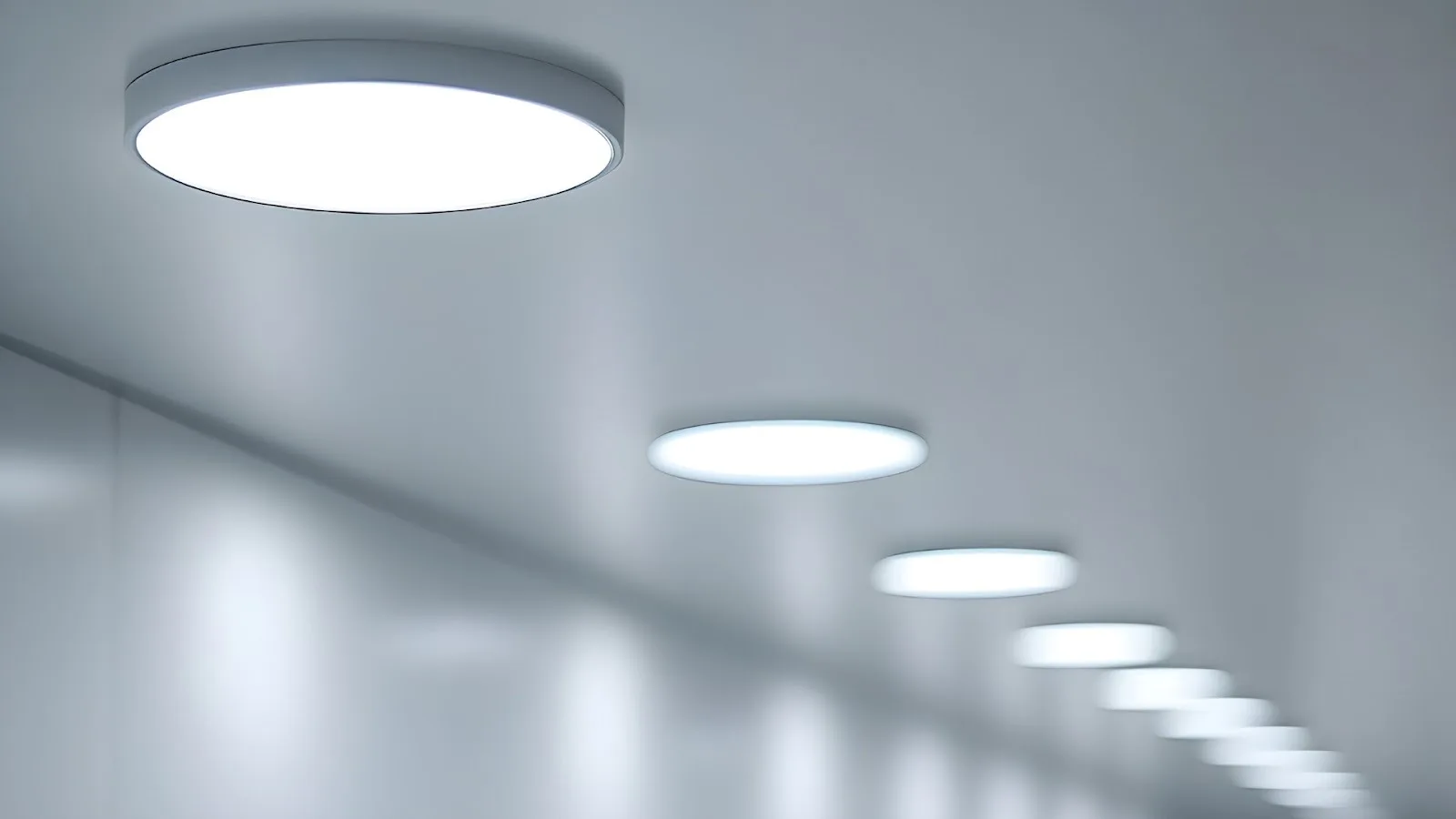
The Common Mistake: Static Lighting
Many homeowners default to bright, cool white lighting for the entire house. While it may seem practical, it often results in:
- Harsh, clinical environments
- Eye strain from excessive brightness
- Disrupted sleep cycles
- Spaces that feel flat and uninviting
Lighting isn’t just functional—it directly affects your mood and body.
Why Lighting Affects Your Wellbeing
Your body follows a natural circadian rhythm influenced by light:
- Cool light keeps you alert
- Warm light helps you relax
When your lighting doesn’t match your daily rhythm, it can lead to stress, poor sleep, and reduced comfort at home.
The Better Approach: Layered, Adaptive Lighting
Instead of choosing one type, the key is to use both—strategically.
At HAGA, lighting is designed as a system using layered, adaptive lighting, combining:
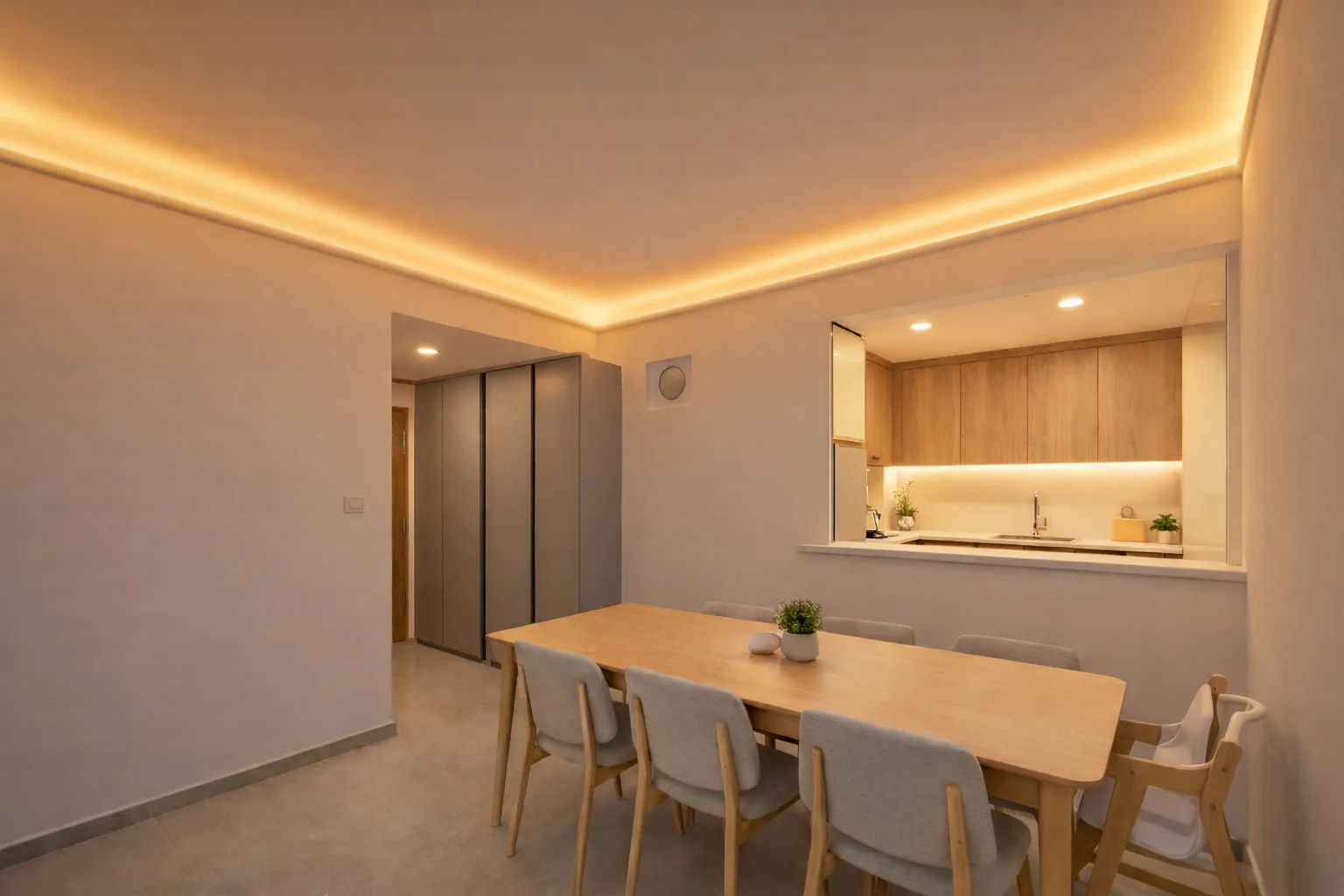
Ambient Lighting
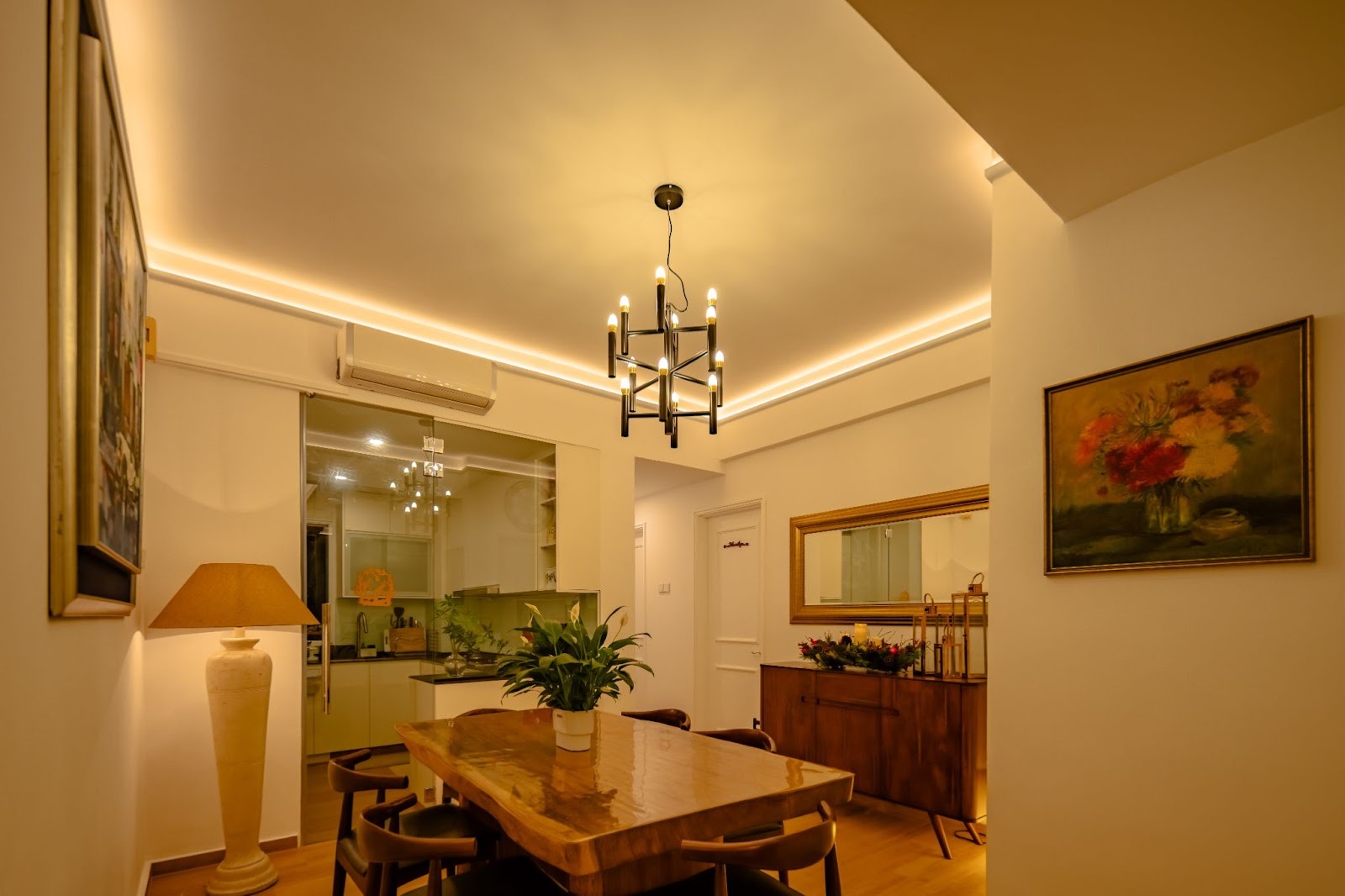
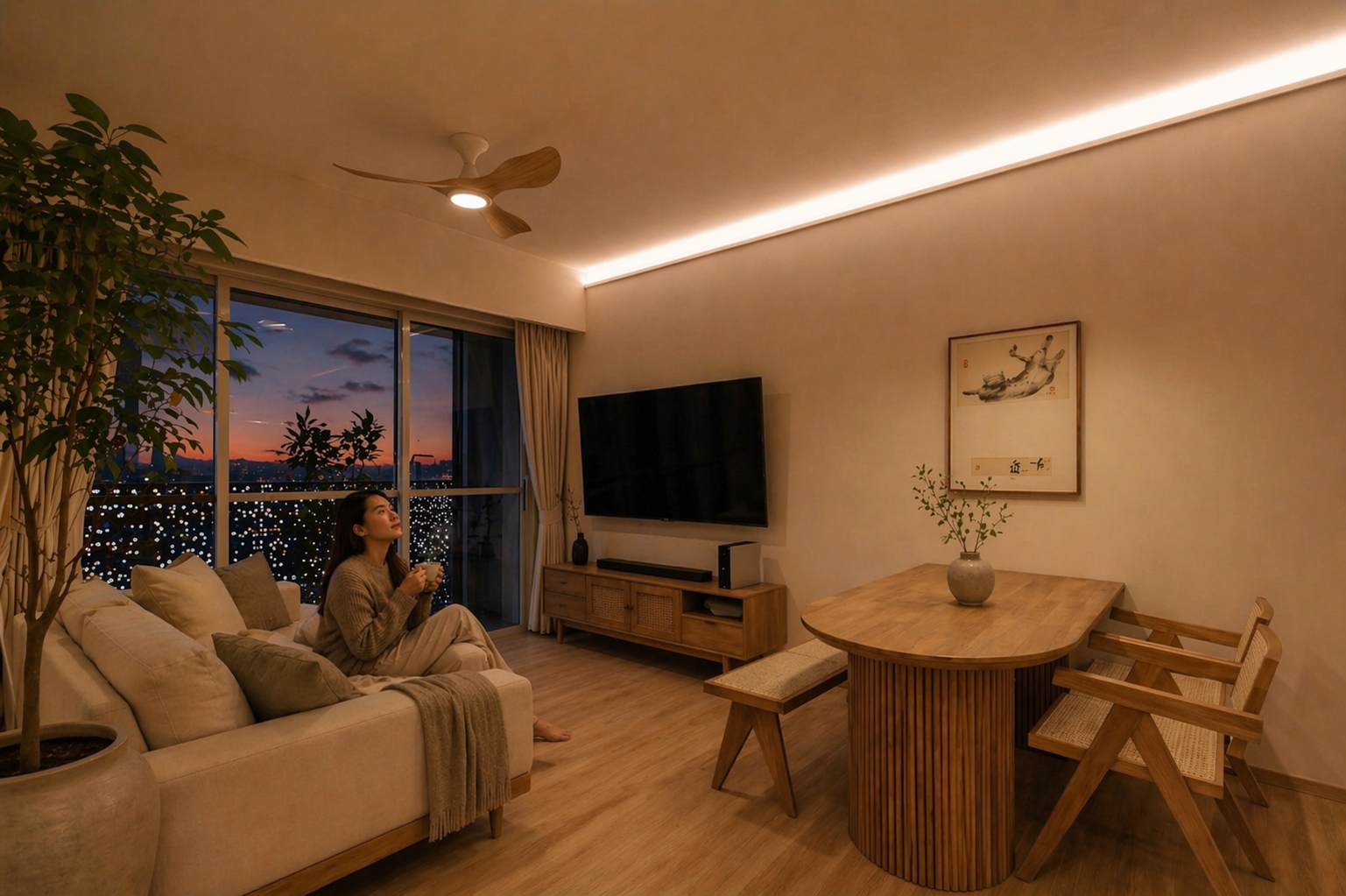
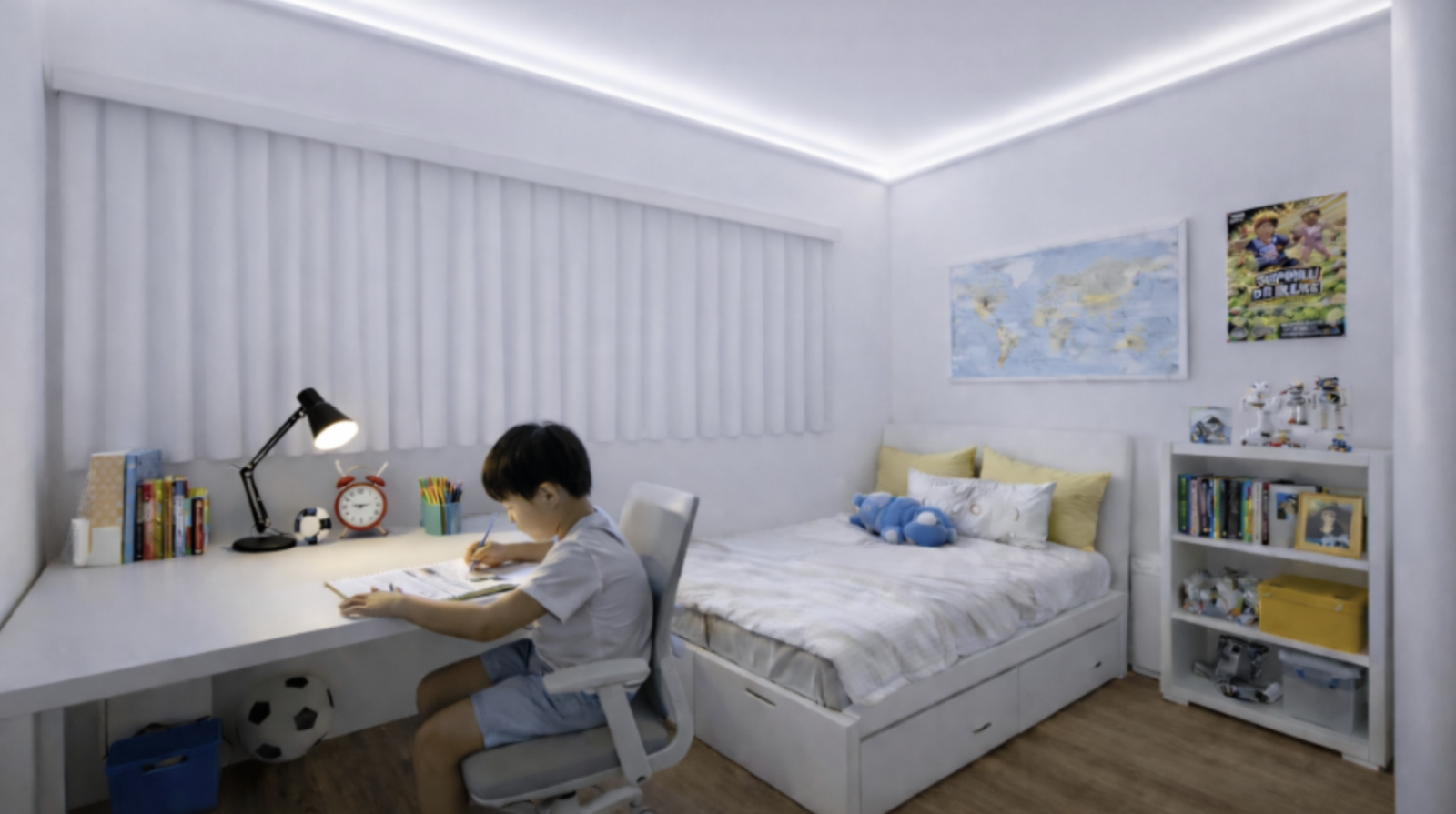
Soft, overall illumination that sets the tone. HAGA uses indirect lighting to create a diffused, glare-free glow.
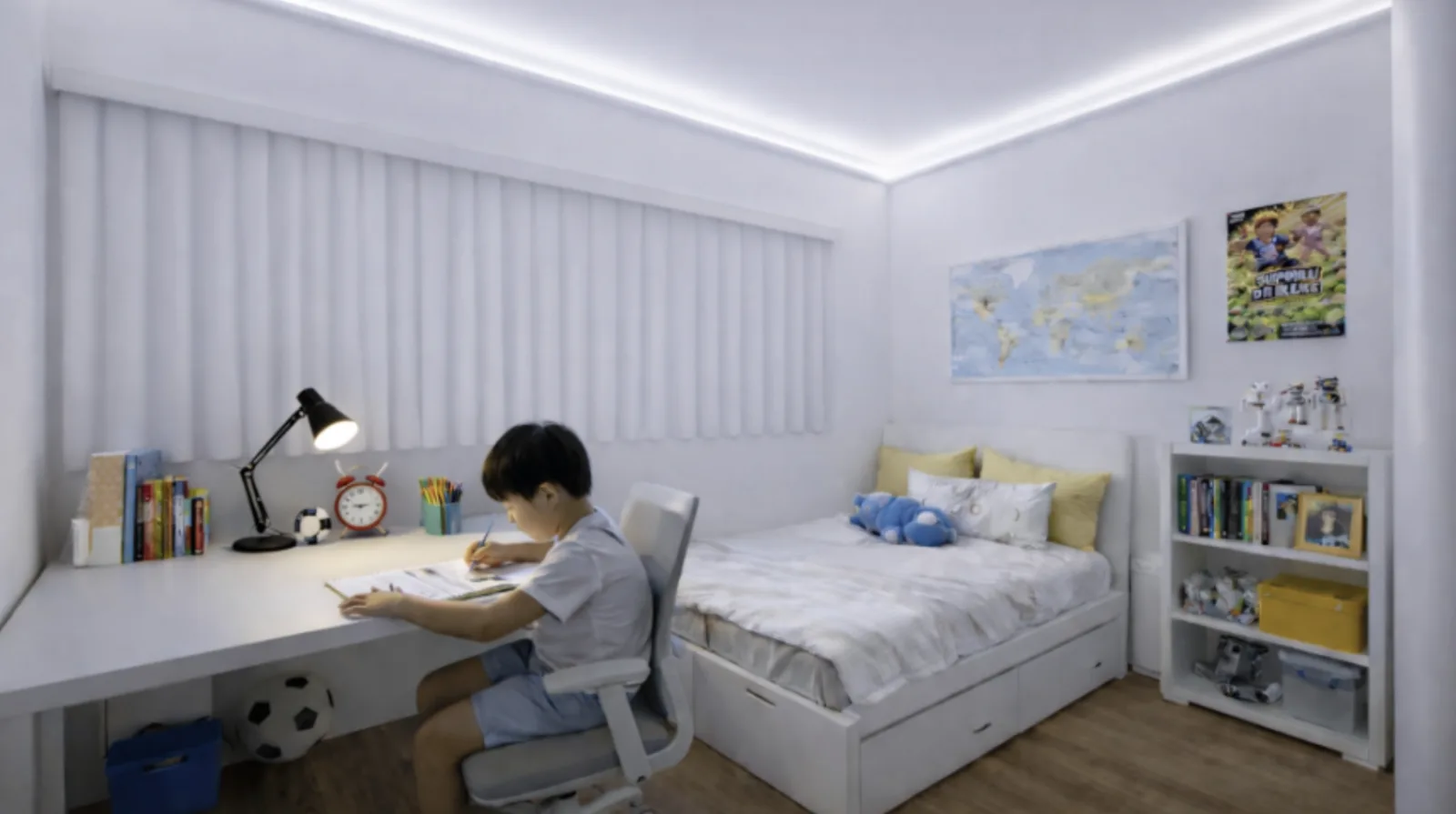
Task Lighting
Focused lighting for activities like reading or cooking—functional without overpowering the space.
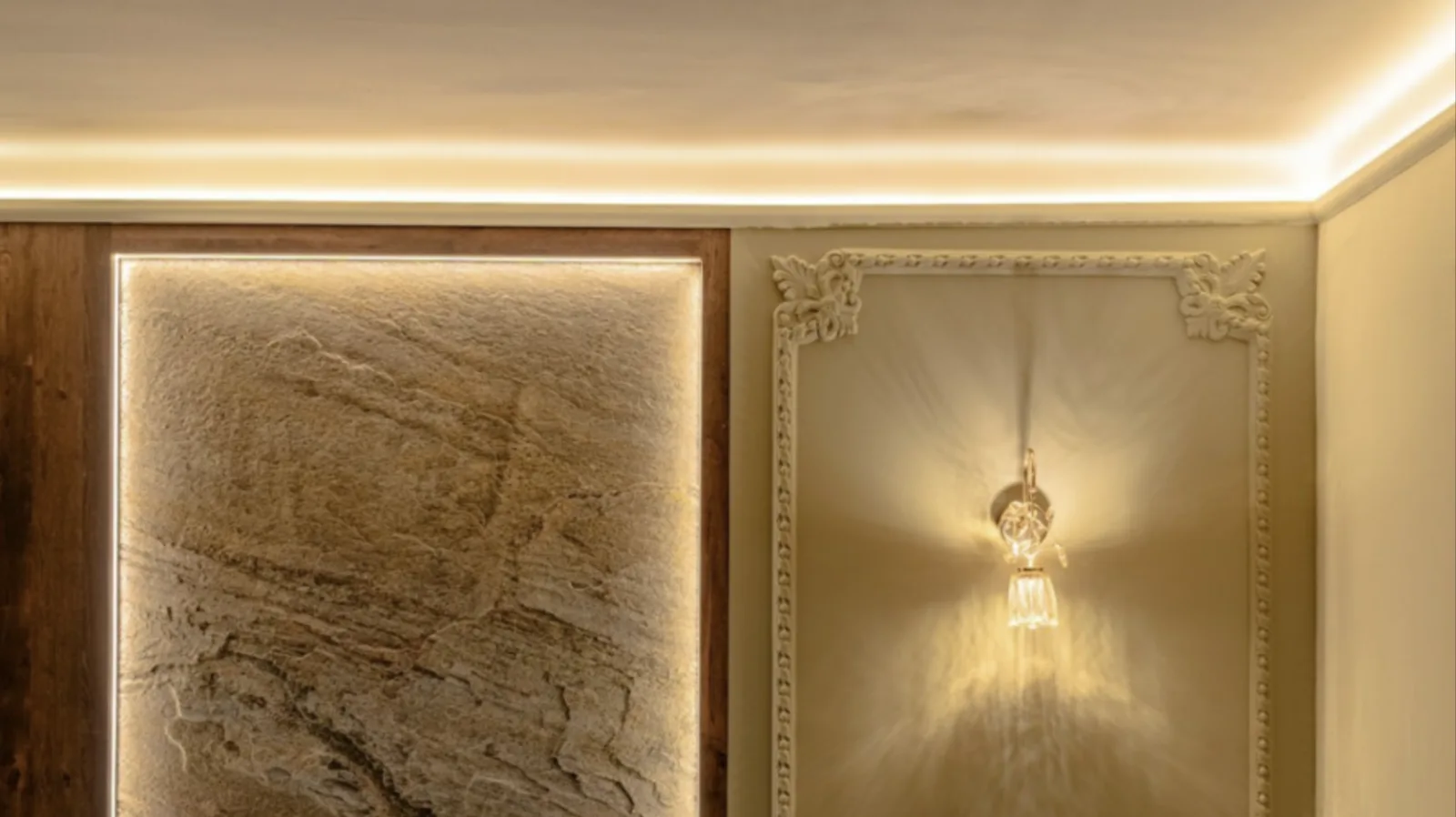
Accent Lighting
Subtle highlights that add depth, warmth, and visual interest.
Together, these layers create lighting that is dynamic, not static, adapting to different moments throughout the day.
Designing for How You Live
A well-lit home supports your daily rhythm:
- Morning: Brighter, cooler light to energize
- Afternoon: Balanced lighting for productivity
- Evening: Warm, soft lighting to unwind
This approach transforms your home into a space of recovery—not just activity.
The HAGA Difference
At HAGA, lighting goes beyond visibility—it’s about experience.
Through indirect, layered illumination, spaces feel softer, calmer, and more intentional. By reducing harsh glare and designing around human behaviour, HAGA creates environments that feel effortlessly comfortable and quietly luxurious.
Instead of asking “Is this bright enough?”, the focus becomes:
“How should this space feel?”
Practical Tips to Improve Your Lighting
- Avoid using one color temperature throughout your home
- Use warm lighting in bedrooms and living areas
- Use cooler lighting in kitchens and workspaces
- Install dimmable lights for flexibility
- Layer multiple light sources instead of relying on one
The Takeaway
The problem isn’t choosing between warm or cool lighting—it’s relying on just one.
With a layered, adaptive approach, lighting becomes more than illumination. It becomes the element that shapes how your home feels—calm, functional, and deeply aligned with how you live.
Book a consultation with HAGA today and discover how layered, human-centric lighting can completely transform your home.
Watch the transformation here: https://www.youtube.com/shorts/7qtWqI2_d60